

The problems you can’t see in older homes
Auckland Council tightens restrictions, and what this means for you.
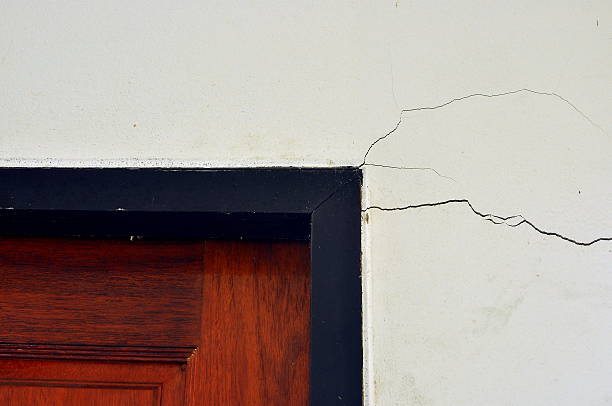
A hairline crack had started above the window, thin enough to ignore if you didn’t look directly at it. By winter, it had stretched just enough to make the frame sit awkwardly and the door nearby began to stick on damp mornings. It wasn’t anything glaring, but just enough to be a mild irritation.
Most homeowners are inclined to leave it a while because life gets in the way, and the house still feels solid enough. But it’s those small signals that tend to point to something less visible, usually below the surface.
That’s the part many people don’t think about when they talk about “future proofing” a home. It’s not only cladding or appearance. It’s what sits behind it, beneath it, and whether it will still hold steady in ten years’ time.
Marty Bamford of Platinum Pacific Group has seen a steady run of these cases.
“This year alone we’ve had seven jobs where the issue comes back to shallow foundations and ground movement,” he says. “Brickwork starts to crack, floors move unevenly, and it’s often because the ground has dried out more in some areas than others.”
It sounds counterintuitive in a country that has seen its share of rain, but moisture levels are inconsistent, especially on expansive clay soils common across parts of Auckland. The ground shifts, and older homes, particularly those built before the mid-90s, tend to show it first.
That’s where the idea of future proofing becomes less about upgrades and more about removing uncertainty.
There are three places this shows up in real decisions:
Removing roadblocks before they appear
Buyers don’t always articulate it, but they hesitate when something feels unresolved. Old cladding systems, missing code compliance, or visible movement in a structure all create friction. “If someone is thinking about resale, the goal is a clean path,” Marty says. “No surprises and no questions that stall a deal.”
Cladding upgrades and remedial work don’t just improve appearance; they remove the quiet doubts that slow a sale.
Designing for the ground you actually have
Standards have changed over time. Foundation depths have increased, and engineering input is now more common, particularly with geotechnical involvement becoming standard practice in new builds. What passed twenty years ago may not hold up under current conditions.
“Regulations are adequate today,” Marty says, “but they’ve already had to change because of how the ground behaves. You have to ask what it will look like in another ten years.”
Auckland Council is tightening the assessment of sites for natural hazards, particularly flooding, slips, and ground movement. The result is more frequent use of site-specific geotechnical reports, even where a subdivision has already been signed off.
In practice, that means a report done at the subdivision stage may no longer carry through to the build. Individual sections are increasingly being reassessed based on slope, soil type, and position on the land, whether at the top or bottom of a hill. It adds another layer to the process and removes some of the certainty that used to come with standard foundation approaches.
Shortening the path to sale
There’s a practical side to all of this. Homes that present cleanly, structurally and visually, move faster. When cladding, alterations, and compliance are already addressed, the transaction becomes simpler.
It’s not about dressing the house up, but about removing the reasons someone might hesitate – which brings you back to that crack above the window.
Left alone, it becomes part of the house. Fixed properly, it disappears along with the questions it raises. And most buyers, even if they can’t quite explain why, will choose the house that feels settled over the one that doesn’t.