

Small defects can cost your property sale
A loose window seal, cracked weatherboard or damp smell may seem like a minor maintenance issue to a homeowner, yet in Auckland’s current property market it could be enough to unsettle a buyer and place an otherwise viable sale at risk.
Buyers have plenty of properties to consider and can afford to examine each one carefully. Many purchase agreements include a condition requiring a satisfactory building inspection, while lenders may also ask for a report before approving finance. Once an inspector identifies a problem, the buyer has to decide whether to accept the risk, renegotiate the price or withdraw from the purchase.
“In a buyer’s market, small defects receive more attention because purchasers know they have other options,” says Platinum Pacific Group managing director Marty Bamford. “A house can suit them, yet a list of unresolved issues may make them question whether they should proceed.”
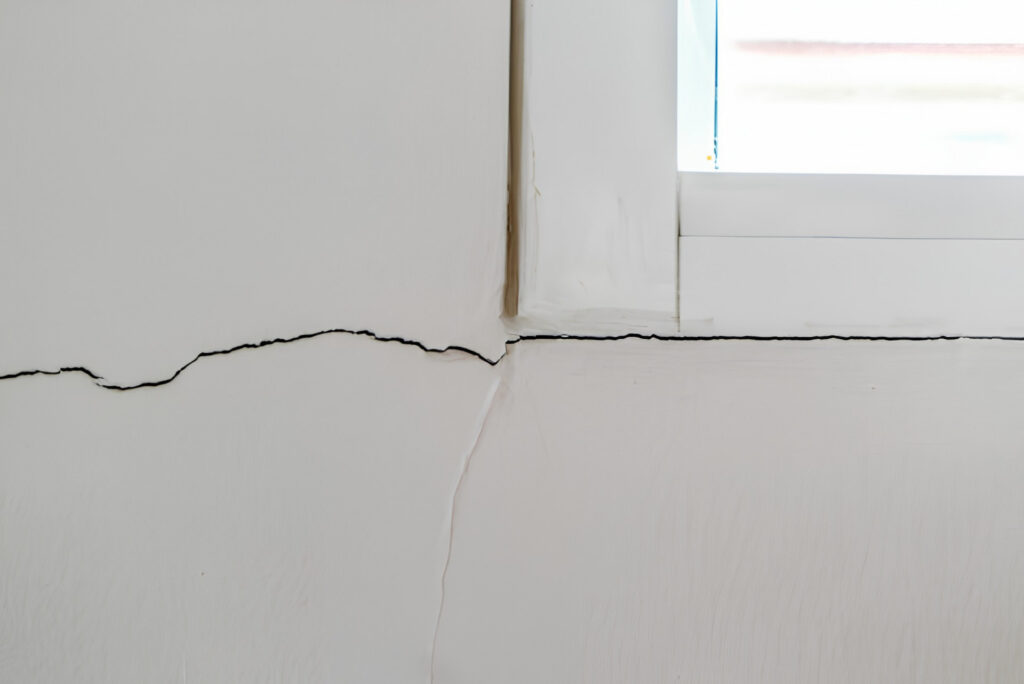
Common findings include paint in poor condition, cracked weatherboards, damaged cladding, deteriorated seals around aluminium joinery and blocked window drainage. Inspectors also look for elevated moisture readings around doors and windows, water ingress near skylights, cracks in brickwork or blockwork, leaky showers and damp smells.
Roofing and junction details can create similar concerns, particularly where an inspection finds rusty corner soakers, damaged soffits, ineffective head flashings, poorly maintained roof to wall junctions, missing kick outs or internal spouting systems.
“Once those items appear in a report, they become part of the buyer’s assessment of the whole property,” says Marty. “They may seek a lower price, ask the vendor to complete the repairs before settlement or decide that another property presents less risk.”
Each option can affect the vendor. Negotiations may become protracted, agreed settlement dates may need to change, and a buyer who withdraws can leave the property on the market while another purchaser is found.
With more activity expected as Auckland moves towards summer, Marty recommends commissioning an independent building inspection some time before listing. The report gives the homeowner time to understand any defects, obtain advice and complete the work that could otherwise disrupt a sale.
“If you’ve noticed something around the house that has concerned you, a buyer or building inspector is likely to notice it as well,” says Marty. “Addressing it before the house goes to market can give buyers greater confidence, reduce price negotiations and improve the prospect of the sale reaching settlement.”