

Common renovation mistakes that cost more than they should
Renovating tends to begin with a clear idea of how a home should look and feel, yet many projects drift off course because practical details are overlooked. The result is not always visible on completion, although it shows up in how the home performs day to day.
Martin Bamford, CEO of Platinum Pacific Group, says many of the issues they see are avoidable with better planning and a clearer understanding of how people actually live in their homes.
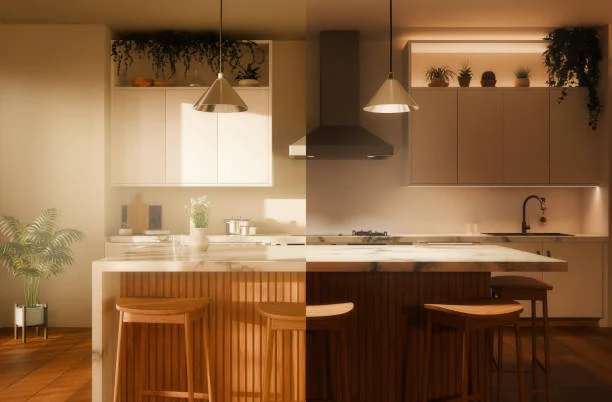
Ignoring how the home handles light and air
One of the most common oversights sits above eye level. Homes are often renovated without thinking through how light and heat move through the space, particularly in winter when daylight hours shorten and moisture builds.
Skylights and high-level openings allow natural light to reach deeper into the home while giving hot air somewhere to escape. Without that, kitchens and living areas tend to hold heat and steam, which creates discomfort and long-term wear on surfaces.
Extraction plays a similar role. Many homeowners accept noisy rangehoods or underpowered systems because they assume that is standard. In practice, well-designed extraction systems can vent externally through the wall or roof, which reduces noise and improves performance. When extraction works properly, you notice the difference in how the space feels and sounds.
Getting the kitchen layout wrong
Kitchens often look resolved on paper but feel awkward in use. For example, the relationship between the fridge, sink, and cooking area is central. When those elements sit too far apart or cluster too tightly, the kitchen becomes inefficient.
Marty says the starting point should always be how the household uses the space. Some people want an open layout where guests can sit nearby while food is prepared, while others prefer to keep preparation out of view, using a raised bench or a separate scullery to manage the mess.
Those decisions shape the entire layout, but when they are made late, they tend to be compromised.
Choosing design before lifestyle
Material choices often follow trends rather than daily use. High gloss lacquer cabinetry, for example, looks sharp when new but shows wear quickly in homes with young children.
The same applies to appliances. A steam oven may suit a household that cooks that way, although it adds little value if it rarely gets used. Smaller appliances such as air fryers or benchtop ovens also need to be accounted for, otherwise they end up taking over bench space.
“Work out how you use your kitchen before you start locking in finishes,” Marty says. “The right materials depend on the people living there and how they move through the space.”
Locking yourself into one supplier
Design decisions can also limit flexibility later. Many homeowners work with in-house kitchen designers who retain control of the design, which makes it difficult to seek alternative pricing or manufacturing options.
Independent designers allow that design to move between suppliers, which creates room to compare cost and quality. It also helps homeowners avoid being tied to a single outcome too early in the process.

Overlooking connections to outdoor space
New Zealand homes often rely on a close relationship between indoor and outdoor living, although that connection is sometimes missed during renovation.
Where a kitchen sits against an exterior wall, there is an opportunity to extend the bench line through a sliding window and create a secondary outdoor surface. That allows food and drinks to move easily between spaces and supports how people actually entertain.
Outdoor kitchens are also becoming more common, particularly in homes where the outdoor area is used regularly. When designed well, they operate as an extension of the main kitchen rather than a separate feature.
Skipping early advice
Some mistakes sit deeper in the structure of the home. Renovations that begin without early input from a builder or surveyor can run into problems once walls are opened.
Marty has seen projects where hidden defects or non-compliant work only became visible mid-build, which led to delays and additional consent requirements. “Consulting a builder before you have plans drawn up is crucial,” he says. “Too often, issues only come to light once work begins.”
That early advice helps set realistic expectations and reduces the risk of redesign during construction.
A practical approach to renovation
Renovation works best when design decisions follow how the home will be used, rather than how it will be presented. Light, airflow, layout, and material choice all sit within that frame.
Homes that feel resolved tend to come from careful thinking at the beginning, where each decision supports daily use and long-term durability.