

Build for the weather we have, not the weather we had
When Platinum Pacific Group was established in 2001, a one-in-ten-year flood in Auckland was expected once a decade. Today, modelling shows those same rainfall intensities are being reached every three to six years in parts of the region.
Warmer air holds around seven percent more moisture for every one degree of warming. Warmer seas feed slower-moving, moisture-laden systems. When it rains, it rains harder. Urban surfaces push runoff faster across sites that were never shaped for that volume.
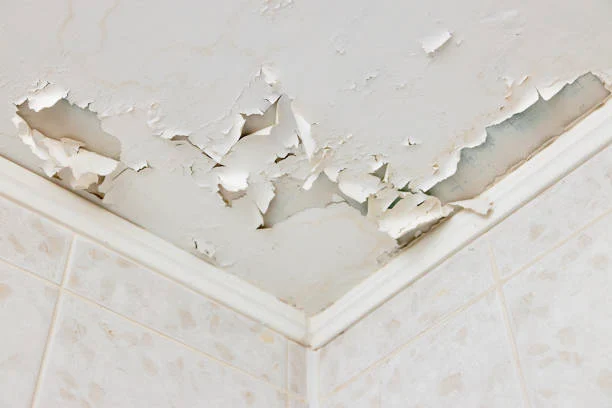
After 43 years in the building industry, and 25 years owning Platinum Pacific Group, Marty Bamford says the numbers matter because they change how you detail a home.
“We’ve seen the shift,” he says. “Gutters that worked twenty years ago now overflow in a heavy downpour. If the intensity has changed, the way we build has to respond.”
For Marty, compliance with the New Zealand Building Code is the starting line, not the finish. The Code sets minimum performance standards. Longevity often requires more.
Where clients plan to stay long term, Platinum Pacific Group frequently recommends building beyond code, with clear discussion about cost and return. If a property will be sold in two years, over-specification may not be reflected in the price. If it is a ten or twenty-year home, resilience becomes part of the value equation.
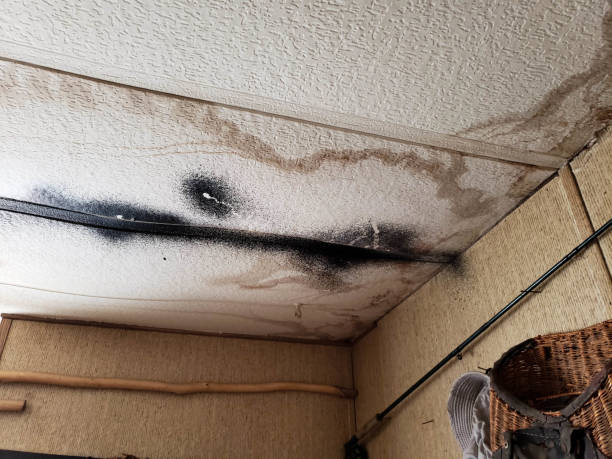
Key responses to heavier rainfall and more volatile weather include:
- Oversized gutters and over-designed internal gutters to handle extended heavy rain and allow easier maintenance access
- Careful roof pitch selection, avoiding forms that struggle to shed high volumes of water
- Early stage site contouring analysis, mapping overland flow paths and directing surface water around the building before construction begins
- Rigid air barrier systems during construction or recladding, reducing air movement, limiting moisture ingress and contributing to structural bracing
- Water storage tanks to capture peak roof runoff and reduce the immediate load on site drainage
Marty’s approach to materials remains deliberately conservative.
“We don’t use a product simply because it carries a brand appraisal,” he says. “We want to see how it performs in real conditions over time. Experience tells you what lasts.”
Over four decades, he has seen materials rise quickly and disappear just as fast. He has also seen incremental improvements in detailing and envelope design that have lifted overall standards. The lesson has been consistent. Nature sets the test. Builders decide how much margin to allow.
As Platinum Pacific Group marks its silver anniversary, the focus is less on celebration and more on practical response, because Auckland’s climate data shows rainfall intensity has increased and flood thresholds are being reached more frequently, which means designing and building for the weather we have, not the weather we had, becomes a matter of measured, evidence based construction shaped by 25 years of steady judgement.