

A building report won’t correct poor repairs
A recent Court of Appeal decision involving a leaking Auckland home has underlined the importance of addressing property defects properly before a home is sold.
The Onehunga property was sold to a first home buyer for $773,000 after the buyer made extensive inquiries and commissioned a building inspection. Although the report didn’t identify any weathertightness problems, the house began leaking six months after settlement, and further investigation revealed extensive weathertightness failure and decay.
The Court found that the vendors had withheld information and undertaken work that concealed signs of water damage. Their appeal was dismissed, leaving them liable for more than $500,000 in damages and costs.
While the conduct in this case was found to be deliberate, the judgment also carries a practical lesson for owners who’ve attempted repairs in good faith and believe the problem has been resolved.
Platinum Pacific Group managing director Marty Bamford says leaks and moisture problems can be difficult to diagnose because the visible damage is often some distance from the original point of failure.
“When an owner repairs the area where the damage appears, they may genuinely believe they’ve dealt with the problem, although water could still be entering the building elsewhere and continuing to cause damage behind the cladding or internal linings,” says Marty.
Resealing an area, replacing damaged lining or repainting a wall may restore its appearance, although those measures won’t resolve the defect when the original source of the moisture hasn’t been identified.
Because the repaired surface can also make the underlying problem harder to detect, an owner may face questions later about what they knew, what work was undertaken and whether relevant information was disclosed to the purchaser.
“A buyer’s building report provides another level of scrutiny, although it doesn’t relieve an owner of the responsibility to deal appropriately with a known or suspected defect,” says Marty. “Building inspections are generally visual and non-invasive, which means damage concealed within a wall cavity or behind cladding may remain undiscovered.”
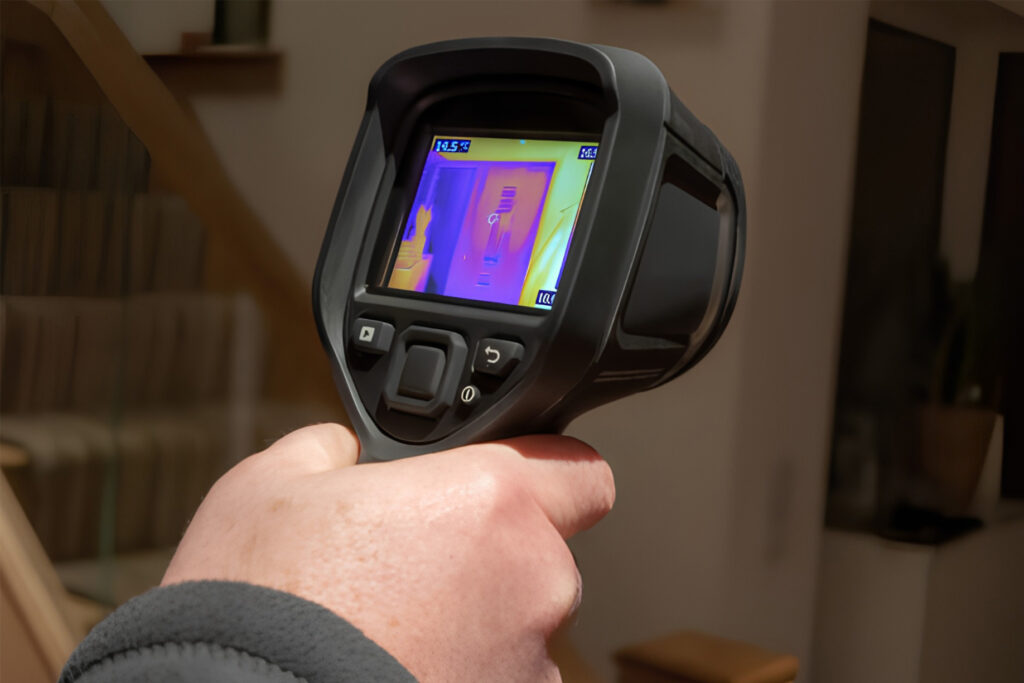
The buyer in the Onehunga case had commissioned a building inspection, and the inspection company later reached a separate settlement with her over its flawed report. The existence of that report didn’t protect the vendors from liability for their own conduct.
For homeowners, the practical response is to investigate any recurring leak, moisture damage, cladding concern or earlier repair before preparing the property for sale. This allows the cause and extent of the problem to be established, while providing a basis for deciding what remedial work and documentation may be required.
“At Platinum Pacific Group, we begin by establishing what’s happening within the building and what will be required to put it right,” says Marty. “Depending on the property, the answer could involve targeted repairs, compliance work, a planned maintenance programme or a reclad, with the scope shaped by the condition of the home and the owner’s circumstances.”
When repairs address the source of the problem and are supported by the appropriate records, owners can approach a future sale with a clearer understanding of the property’s condition, while prospective buyers receive information that allows them to make an informed decision.
We work with registered building surveyors, designers and engineers because getting the methodology and oversight right from the start is what separates a proper repair from a patch job. That's the difference we're selling, really: a repair that's comprehensive and compliant.
Get that right and everything downstream gets easier too, especially the day you decide to sell. A house with a fully documented, compliant repair is one less thing keeping you up at night.
If you’re concerned that a leak, cladding issue, unconsented alteration or previous repair could affect a future sale, Platinum Pacific Group can assess the property and help you determine the work required.